Skip to content

Transforming Harvey

From Vacant Lots to Vibrant Communities.

THRIVE envisions underutilized properties becoming productive spaces for agriculture, education, entrepreneurship, environmental stewardship, and community pride — with young people leading the way.

What could grow here

Seven ways land can work for a community.

Urban vegetable farms

Productive plots growing fresh, affordable food close to the families who eat it.
Community gardens

Shared spaces where neighbors grow, learn, and gather together.

Commercial flower farms

Cut-flower production that brings color to blocks and revenue to young growers.

Native plant nurseries

Growing native species that support pollinators, manage stormwater, and beautify streets.

Greenhouses & hydroponics

Year-round, controlled-environment growing that teaches science and technology.

Solar-powered agricultural technology

Clean energy powering irrigation, lighting, and sensors — a living lab for green careers.

Youth-operated agricultural enterprises

Farm stands, flower subscriptions, and wholesale partnerships run by young entrepreneurs.

An illustrative concept
See what's possible.

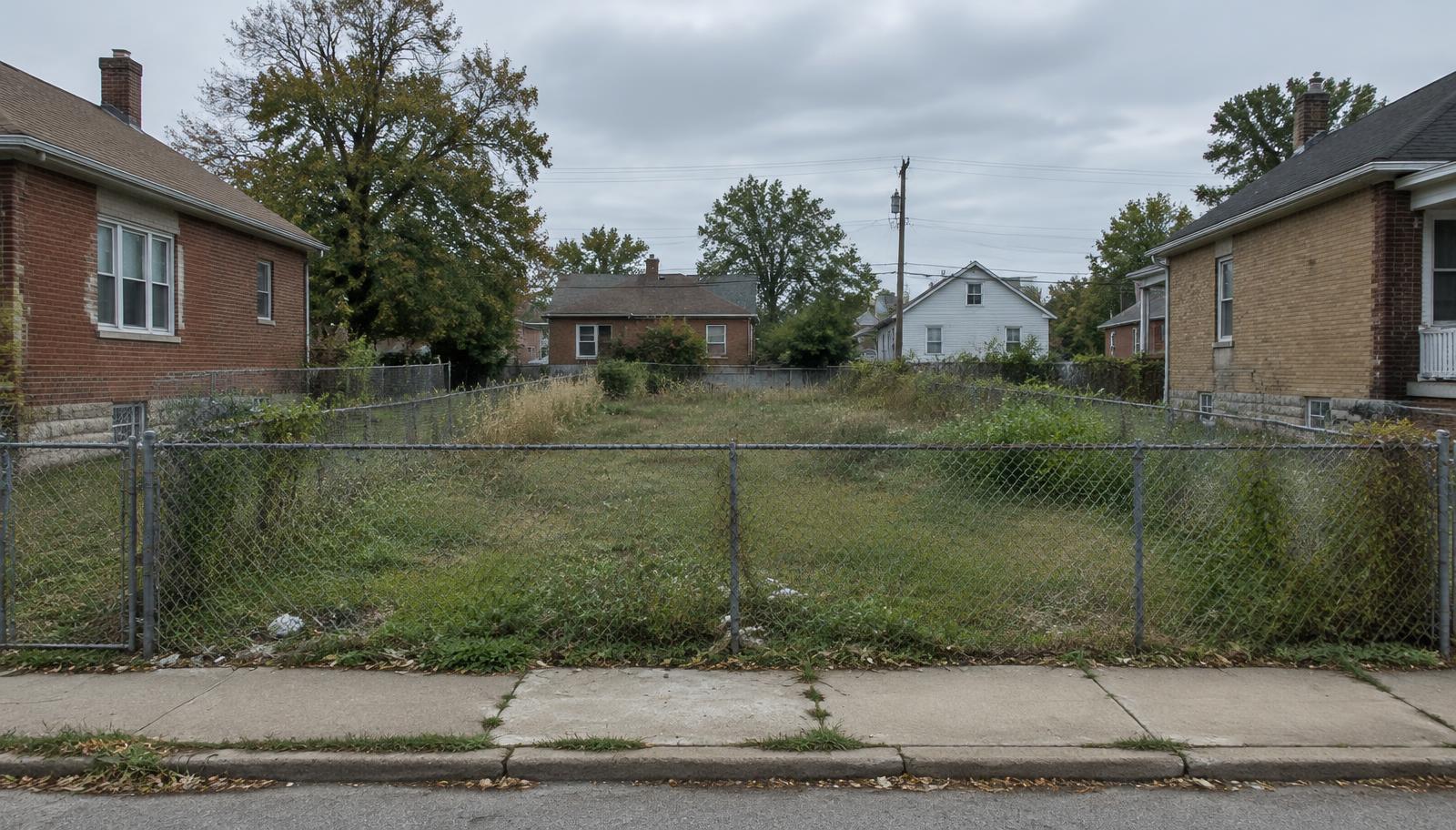
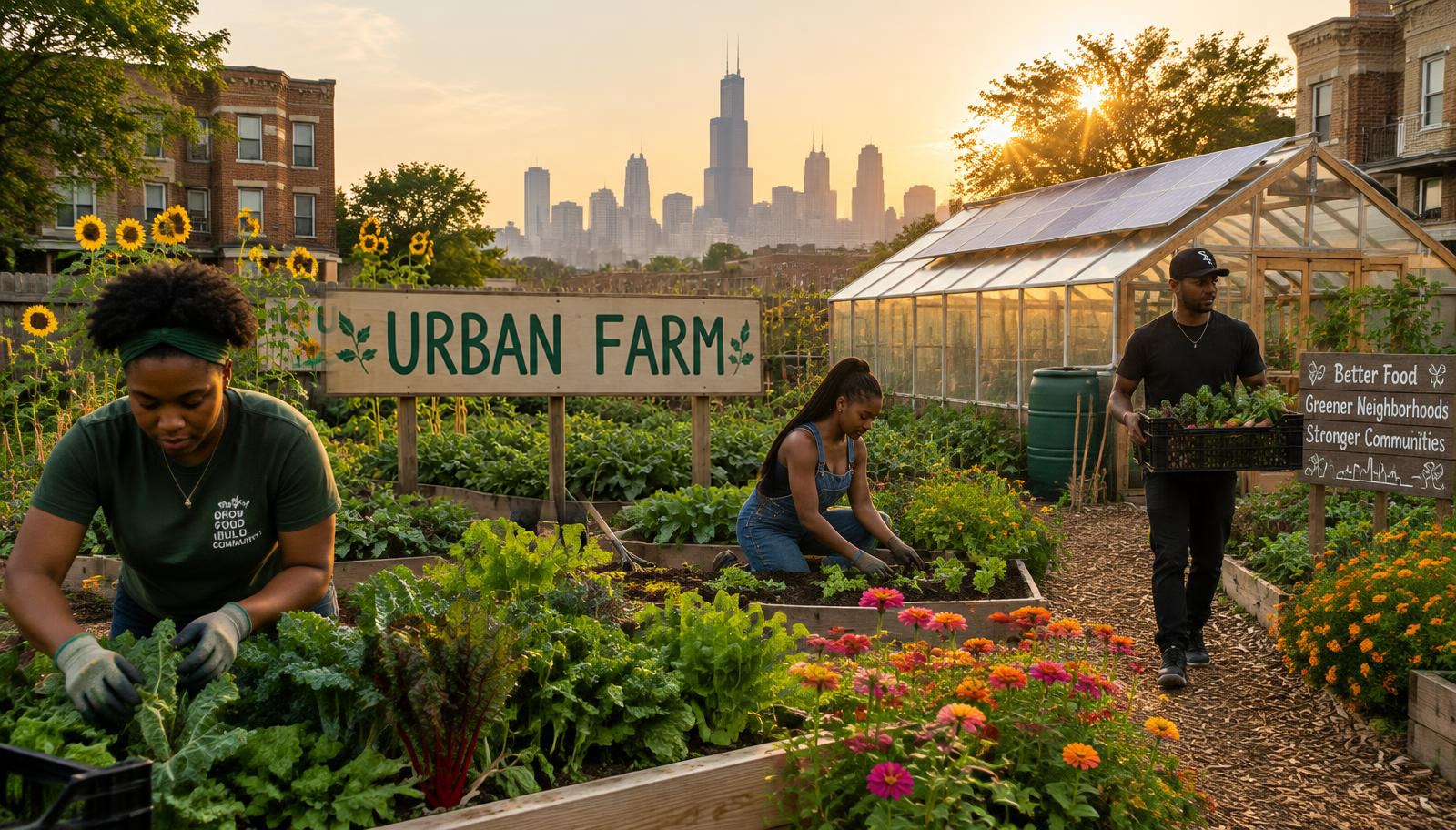
Drag the slider to compare an underutilized lot with a conceptual urban farm.
Conceptual illustration: the lot transformed into an urban farm with raised beds, flowers, and a solar greenhouse
Illustrative vacant, overgrown lot between houses
↔
Today: underutilized lotConcept: productive urban farm
Illustrative concept only — not a completed or planned project. AI-generated imagery showing how a suitable vacant lot could become a youth-operated urban farm.

Doing it right

Real projects require real diligence.

Any actual project would require:

  • Appropriate, legal land access
  • Environmental and soil testing
  • Zoning review and approvals
  • Secured funding and partnerships
  • Meaningful input from neighbors and the wider community

That's why we start by listening. Tell us where you see potential.

Suggest a Location on the Community Vision Map